Interview Article
We had the chance to catch up with our hunting ambassador, Paul Childerley on his experience
with the ZEISS Conquest HDX binocular in it’s first year of release.
Paul Childerley is renowned in the Deer Management industry, specifically Chinese Water Deer
and Muntjac. He is the founder of Childerley Sporting (est. 2012) and now runs two game shoots
consisting of walking and drive shooting, along with two deer stalking businesses.
Please tell us a little bit about yourself and your experience with ZEISS.
I’ve been using ZEISS optics since the very beginning of my career, I’m lucky to have witnessed the
various different phases of ZEISS optics and feel I have really grown alongside the brand. While I
have tried other brands before, I’ve always stuck to ZEISS – I trust them. They are robust, work
exactly how you want them to and they last. You cannot compromise on good glass.
I’ve also been lucky enough to participate in the focus groups in the development of new
products, such as the Dialyt and RFs. ZEISS have always cared about what real life user’s want out
of their optics, it’s something I’ve always admired about the brand.
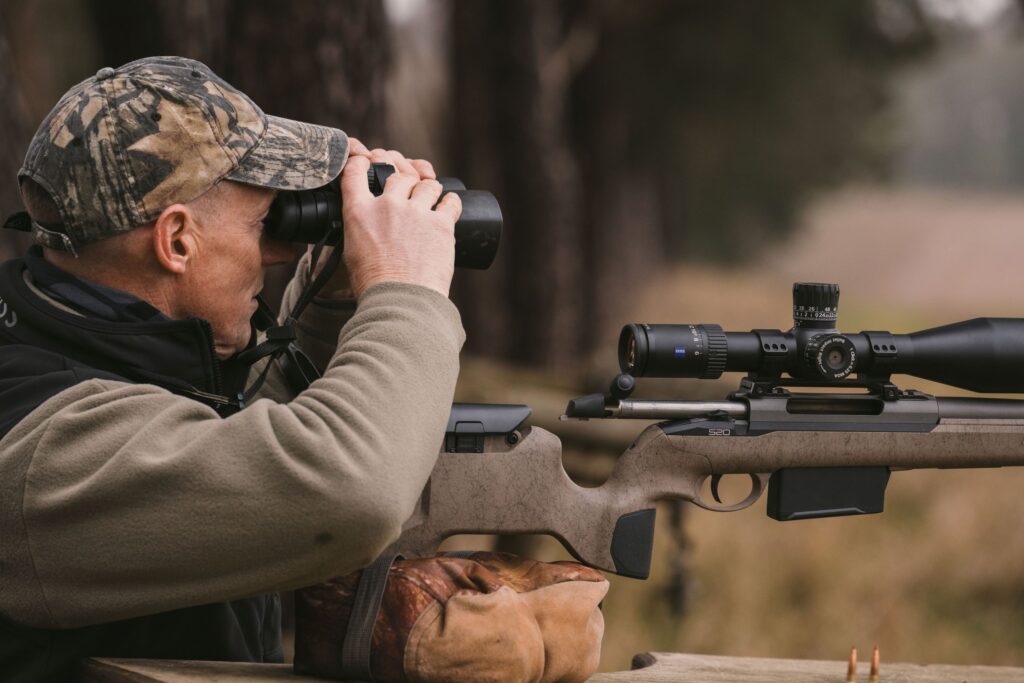
There are two parts to my business, Childerley Sporting.
Firstly, there is the game shooting aspect. In terms of equipment needed for this, binoculars are
required for surveying the area and spotting wildlife, vehicles and people in the wrong place.
Riflescopes are paramount for controlling vermin. Then, thermals – an essential control focus and
spotting device.
Secondly, is my deer stalking. All three of the above are also essential for this, otherwise I cannot
do my job. Deer management is a major part of protecting the wildlife and ecosystems of the
countryside. Dear cause a lot of damage, flowers, overground nesting, wildflowers and birds are
all affected by an overpopulation of deer and therefore it is vital to manage the number to ensure
a healthy population.
How does the Conquest HDX elevate your hunting experience?
I have been using ZEISS binoculars for the past 35 years and beyond, so I’ve had hands-on
experience with a lot of different models, magnification, styles and colours. It’s very interesting
that as a hunter, your favourite is just dependent on what is useful for your specific job. Deer
stalking, for example, I like to use my 10 x 50/54 in woodland stalking. For field stalking and
Chinese Water Deer, the 15 x 56 is perfect and great for focussing on minute details of Chinese
Water Deer from a distance. I’m often able to determine details on a Chinese Water Deer’s tusk,
which is hugely important in deer management, and clients will often ask ‘How can you see that
from 200m?’ – it’s the magnification and clarity of the image thanks to the quality of the glass.
Naturally, it is more difficult to see when the lighting is poor because of the higher magnification
so when the Conquest HDX was released, I was so happy to see this mitigated. It’s great for
when I’m out shooting in the early hours or in poor lighting, something we often experience in
the United Kingdom.
While these binoculars are on the robust side – I treat my equipment like tools. I’m careful with
them and take good care of them, for example, looking at the glass, I use cloth for cleaning and
polishing. Often, no matter what I do to prevent it, they will get covered in all sorts – grit, dirt,
sand and they are used in all weathers – snow, frost and rain, lots of rain! Despite all this, my
binoculars are practically like new.
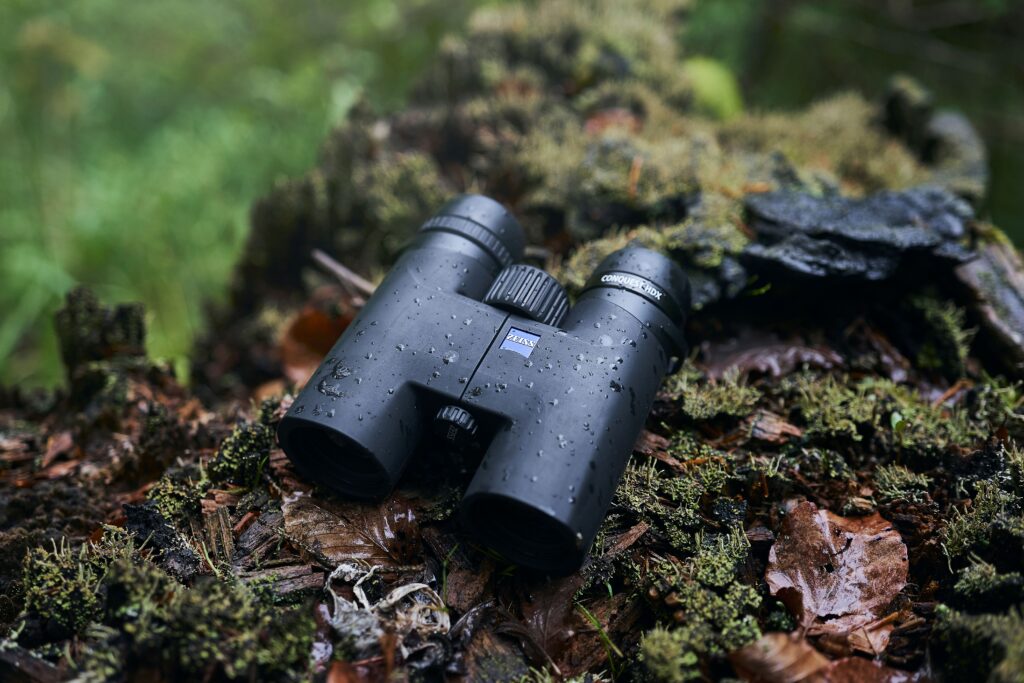
Casting my mind back, the first time I used the Conquest HDX, I remember dropping them from
my truck, hitting the road – they were properly knocked about and they are absolutely fine. They
truly are robust and reliable for everyday use.
I find: it takes a little while to adjust to new binocular. You have to adapt them to your liking and
to really get the best from them you need to dial into your eyes. The locking dioptre on the
Conquest HDX is incredibly useful for locking in your adjustments – once they are right, you can
be confident they will stay set up for you.
What features help in your line of work and where has it been most beneficial?
My main use for the Conquest HDX is for longer distance work, like assessing deer – you need to
assess bucks and the condition of their tusks at a 200-metre distance. I find that the 15x
magnification Conquest HDX or ZEISS Conquest V8 really make the difference.
For this past season, my main focus has been on the Chinese Water Deer – where visibility and
clarity are paramount when assessing the bucks and tusks. The light gathering and performance,
particularly in poor lighting conditions is a real game changer.
I then have some Roe Buck trips planned April/May time for the south of England and Scotland
where bucks are at quite a distance, so the HDX is a must for those trips where I’ll be assessing
bucks from even further away. Down South, the Roe bucks are living in large arable fields, around
200-300 metres out. The Conquest HDX’s are incredibly handy and saves on a lot of walking!
I’ll then head up to Scotland, looking across large valleys and forestry where again, it’s good to
check the size and condition of bucks before setting off on an hour hike.
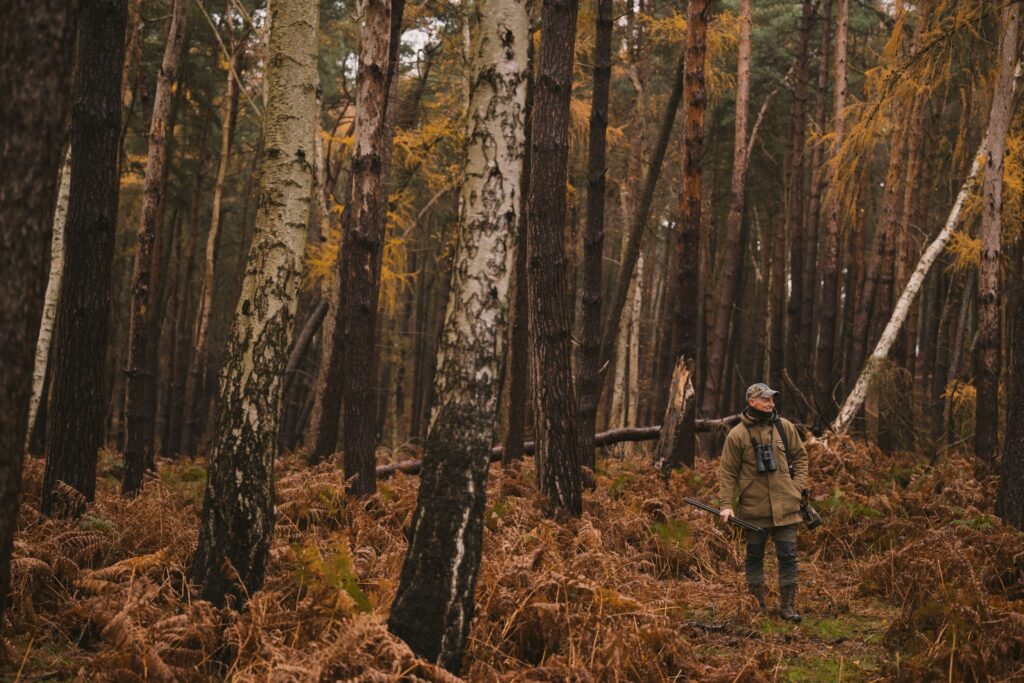
The Conquest HDX is incredibly robust – as I’ve sort of touched on already, I don’t have to worry
about my gear as much on fast paced shoots and I can just enjoy. All ZEISS optics are very robust
anyway.
While I’m careful in my work, some things cannot be avoided – that extra ZEISS reassurance
helps.
How do the HDX compare to the older HD model?
Overall, both binoculars are great. Before the HDX, the Conquest HD were my daily binocular, so I
feel qualified to talk on the upgrades I have personally noticed!
The first key difference is the grip on the armouring. The update in the magnesium grip is perfect
for the poorer weather – a lot more anti-slip. It feels softer and more ergonomic than the previous
model, making the viewing experience overall a lot more pleasant.
A really handy feature of the HDX which wasn’t available with the HD’s is the tripod capabilities,
This is perfect for longer observing sessions and range days where I need to keep focussed on one
particular area.
There has been an upgrade to the general design of the eyecups. They feel more secure and solid,
in my opinion.
Overall, the product just feels more robust, which is exactly what I need out in the field.
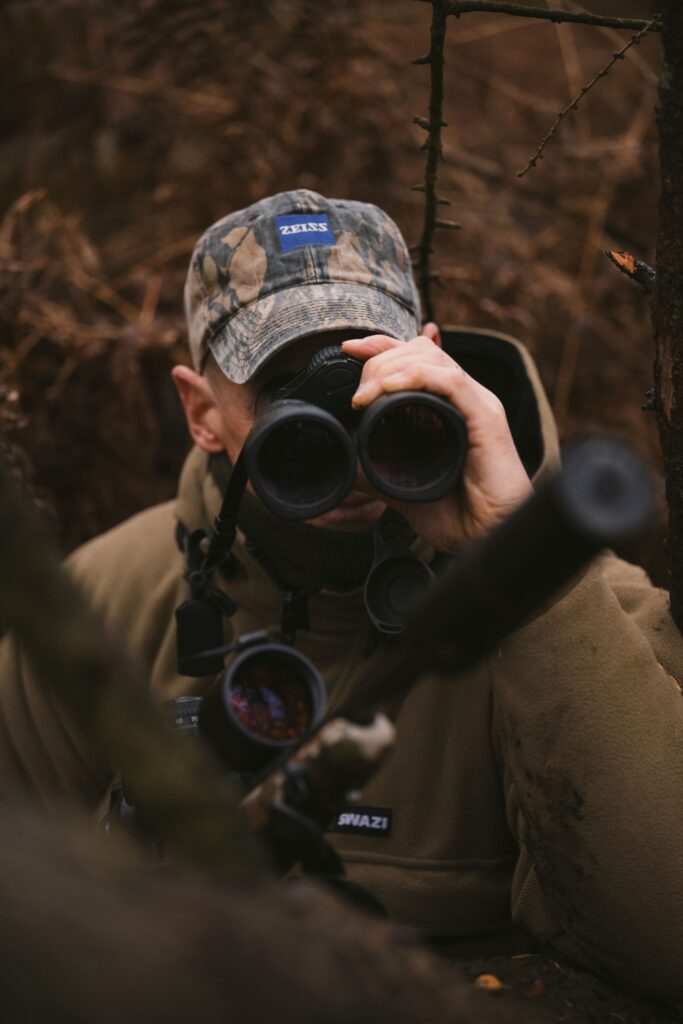
What advice would you give to someone considering purchasing the Conquest HDX?
My advice to those looking to purchase is to get the right magnification for what you will be
using your binoculars for, long distance and very rarely under 50 metres, I’d recommend 15×56.
For a good all-rounder binocular – personally, I’d pick 10×56. Here, you can see long distance, up
close and the 56 gives you great light gathering in poor lighting conditions.
For a more lightweight option, the 10×42 reduces weight and still has amazing light gathering
capabilities to give you clarity. When deciding which to go for, it’s important to think about what
time of day/ season you’re likely to use them.
For more recreational stalking, the 8×42 is fantastic, lightweight binoculars perfect for walking
and portability for holidays. Much like the 10×42 they do well in the hunting field too, but the 8x
gives that slight extra field of view.
Personally, on the daily, I use the 15×56.
While each to their own, everyone has their own preferences on how to set up their binoculars
straight out of the box, here are just a few things I do with mine:
The eye covers are essential when out in all kinds of weathers, it just protects your lenses. Luckily,
this comes with the Conquest HDX! I opt to attach them to the left-hand strap so they can be
easily removed from the eye cups but don’t get in the way by sliding up the straps and ultimately
restricting mobility around your neck (which would happen if they were attached at both sides).
Also, keep the bottom cups for when it is really wet! They are perfect for storage as they protect
the lenses.
To clean – a cleaning cloth is a must. I use the handy ZEISS clip-on one, it attaches to my strap
and is incredibly convenient. It stops you from using a spare tissue, shirt, fingers – all things that
can include dirt and grit, risking scratching to the lens.
On the note of dirt and grit, you’re likely out in the elements where these are an everyday
concern with your optics. In the case of dirt or dust being around your lenses, do not rub. I’d
suggest running your optics under lukewarm water and let the water do the work for you. Avoid
scratching the glass and then use ZEISS’ lens cleaning kit to ensure your lenses are kept safe and
like new!
ZEISS Conquest HDX
The ideal premium all-rounder….
About Post Author