Trail camera images are rarely perfect. Low light. Motion blur. Partial visibility. Animals caught mid‑step or half hidden behind vegetation. These are the real‑world conditions under which modern wildlife monitoring happens – and the conditions AI systems must handle if they are to be genuinely useful.
One of the most demanding challenges in this space is species differentiation: telling apart animals that look similar, behave similarly, and often appear only briefly in a frame. Canids are a prime example.
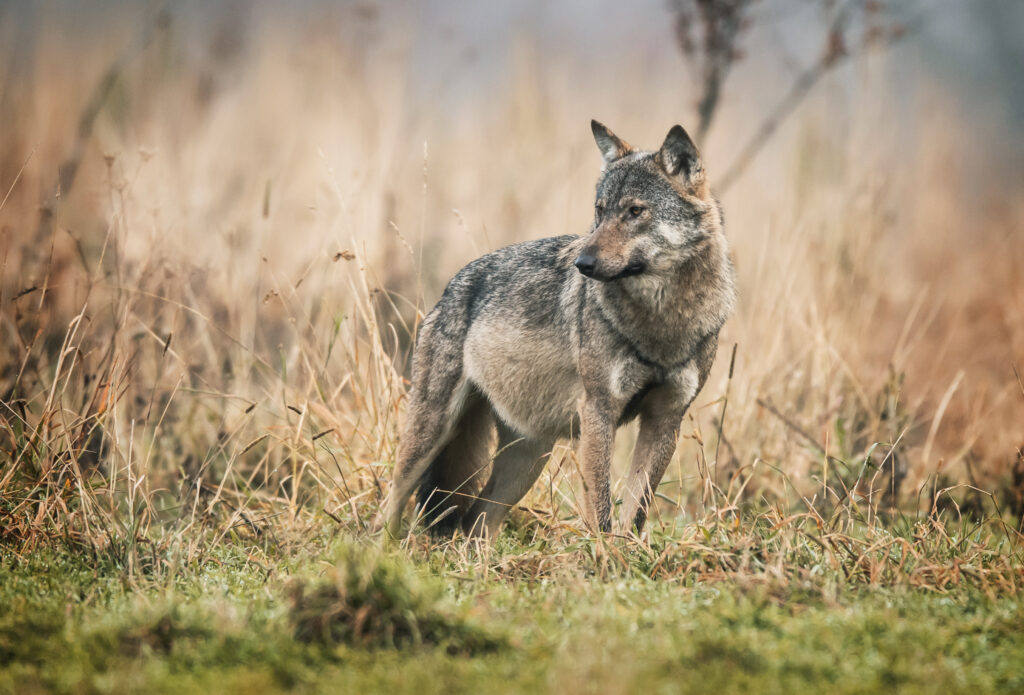
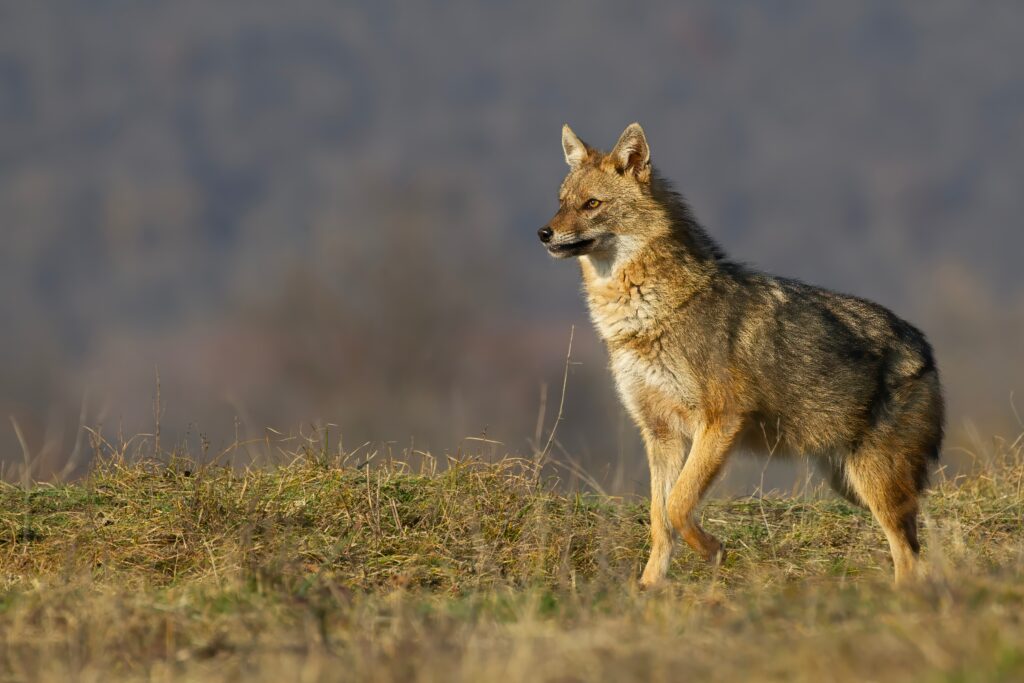
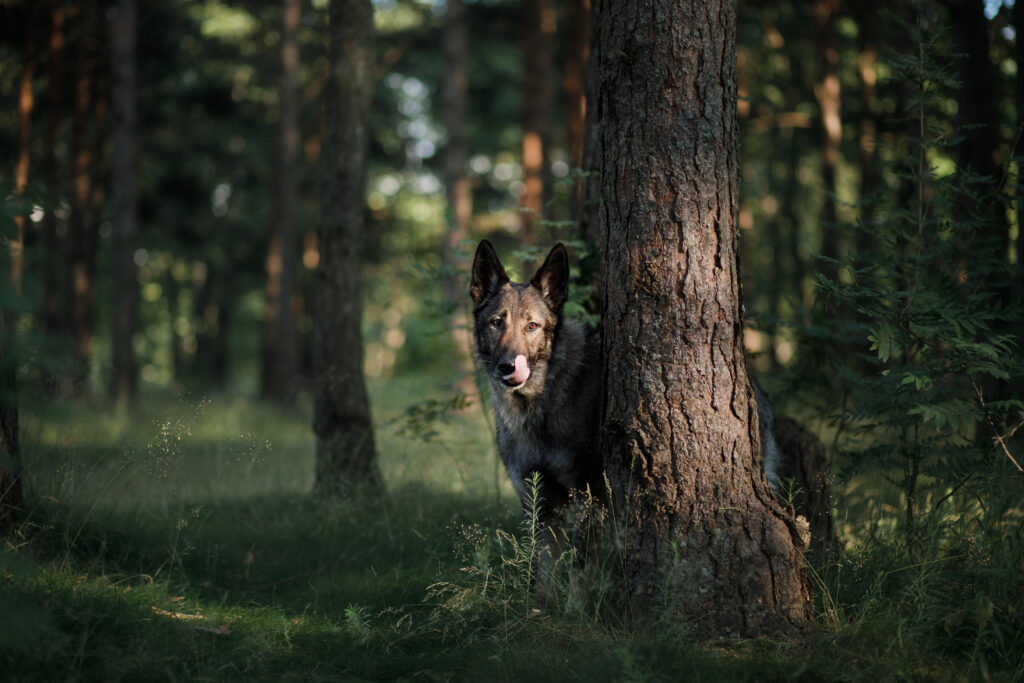
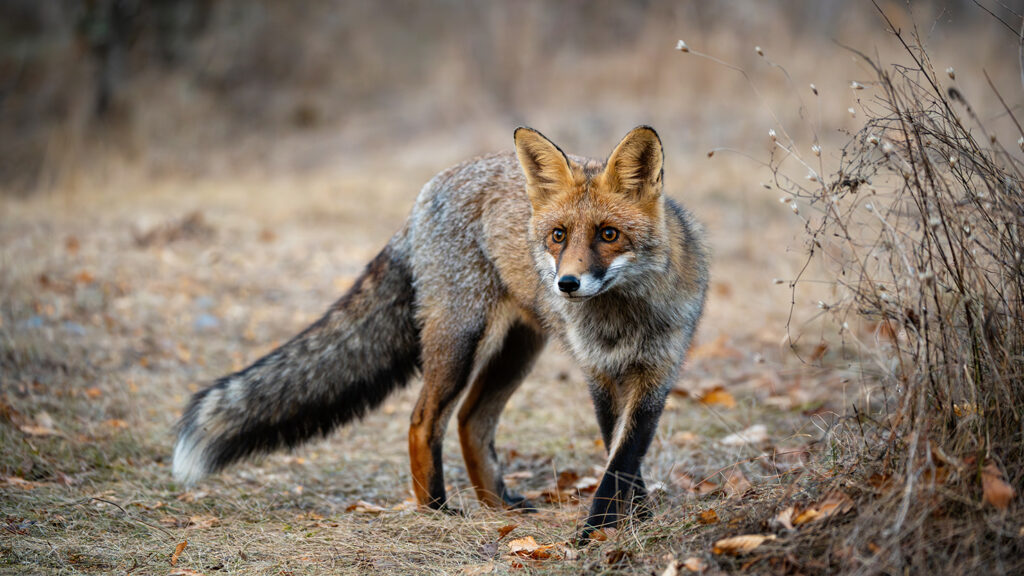
When Species Look Almost the Same
From a computer vision perspective, wolves, jackals, dogs, and foxes share many visual traits:
- Similar body proportions
- Comparable movement patterns
- Strong variation within each species
- High dependency on viewing angle and image quality
Add night mode, infrared images, or motion blur – and even trained human observers can hesitate.
For AI systems, this creates a high‑risk zone: small visual differences with large interpretive consequences.
That’s why extending a classifier with additional, closely related species is not simply a matter of adding labels. It requires a different mindset. From Detection to Differentiation.
With this update, we extended our existing wildlife classifier to include additional canid classes. The goal was not just to recognize more animals – but to improve contextual understanding when visually similar species are involved.
Two principles guided the development:
- Real‑world training conditions
The classifier was trained on images that reflect actual field use – imperfect, inconsistent, and diverse. - Expert‑validated data preparation
Image sets were reviewed and annotated with support from experienced wildlife experts to ensure biological plausibility and consistency.
The result is a model that is better at recognizing patterns rather than forcing binary decisions where the data doesn’t support them.
Why We Always Use “Possible” Labels
In wildlife monitoring, overconfidence is a bigger risk than uncertainty – especially when decisions can have ecological, legal, or conservation implications.
That’s why this classifier always uses labels like:
- Possible Wolf
- Possible Jackal
This is not limited to ambiguous images. It is a deliberate design choice.
The system is built to support expert decision-making, not replace it. Even when visual indicators are strong, the AI does not claim absolute certainty. In critical use cases like species monitoring, responsibility remains with the human expert – the AI provides structured guidance, context, and pattern recognition to inform that decision.
By consistently communicating “possible,” the classifier makes its role explicit:
an assistive tool that highlights likelihoods while acknowledging the limits of visual data and automated interpretation.
This mirrors real-world expert workflows and helps prevent false certainty – particularly in scenarios involving wolf-like dogs, uncommon perspectives, or incomplete visual information.
AI should strengthen human judgment, not overrule it.
About Post Author