If you really want to understand your hunting ground, you shouldn’t just hunt there, but also observe it. This is precisely where trail cameras come into their own. You often notice far more than you might initially think. The difference it makes when several cameras are deployed simultaneously in the area often only becomes apparent at second glance.
Cover all areas of the territory at all times
Using multiple cameras in the hunting ground offers a clear advantage: as many areas of the hunting ground as possible can be covered and monitored continuously. This provides a much better overview of the entire area, rather than just isolated glimpses. Game trails, bedding areas, bait sites, salt licks and food plots can be monitored simultaneously. This significantly reduces gaps in monitoring, as blind spots are avoided. The result is a much more realistic overall picture of the game population and game density in the hunting ground.
Hunting with minimal disturbance
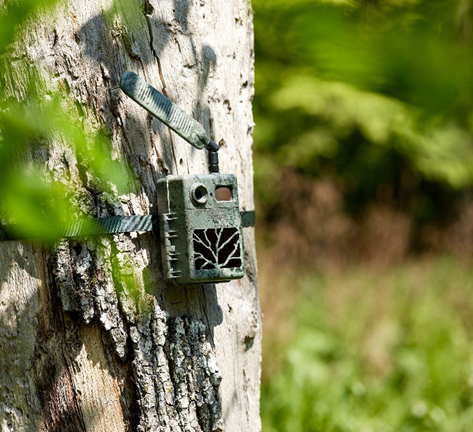
Another advantage of having multiple trail cameras is that it keeps the hunting ground quiet. If many areas are equipped with cameras, there is significantly less need for you to carry out your own patrols. Much of the monitoring can be done digitally, without having to constantly enter the hunting ground.
Bait sites and salt licks can still be monitored, whilst the cameras provide up-to-date information on animal movements, activity times and visit frequency. Fewer disturbances caused by the hunter ensure that the game behaves naturally, which makes this type of observation particularly valuable.
Higher hunting success
The accurate assessment provided by multiple trail cameras, combined with minimal disturbance to the hunting ground, can increase the likelihood of spotting game and thus contribute to improved hunting success. By taking regular photographs of the animals, it is easier to select suitable specimens and assess them according to age, sex and trophy potential. At the same time, high seat hunts can be planned more effectively, as activity times and particularly frequented areas are more clearly identifiable. This helps to reduce the number of blank sessions and also allows for better planning of driven hunts.
Getting the most out of the ZEISS Activity Hub
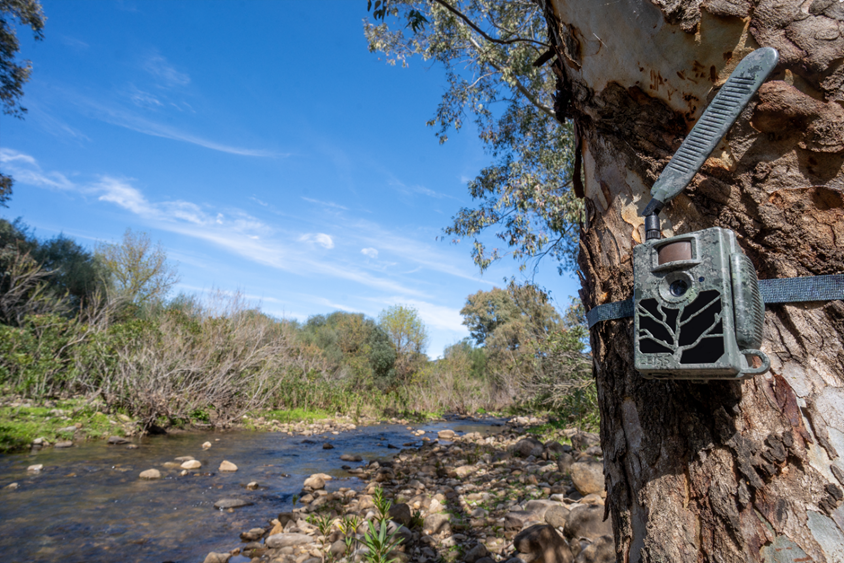
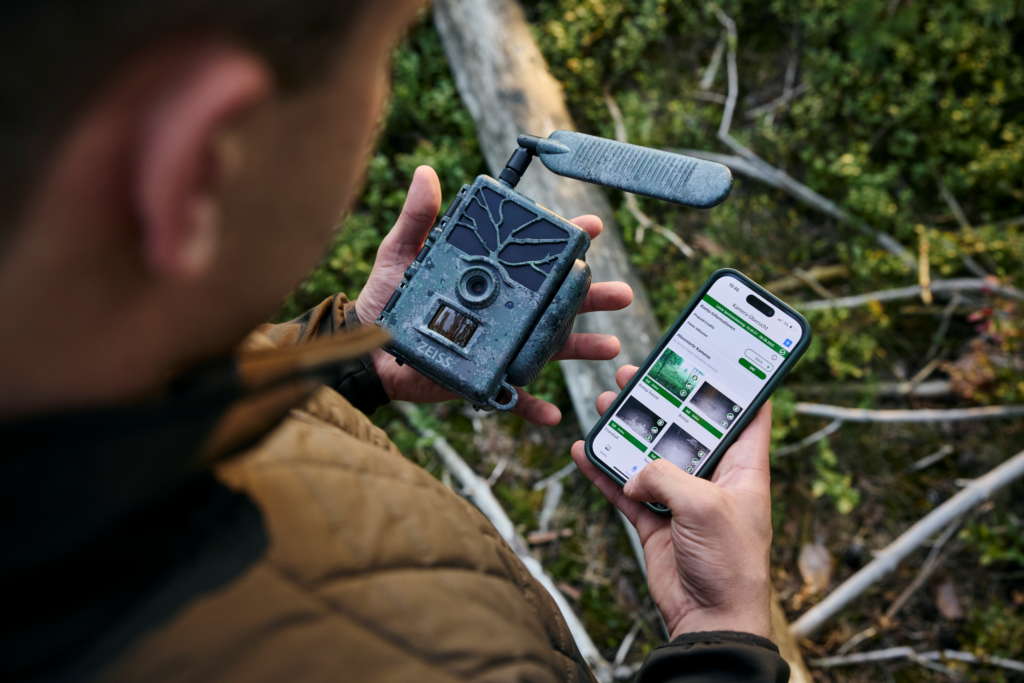
By using several ZEISS Secacams in the hunting ground, the Activity Hub in the ZEISS Secacam App can be deployed particularly effectively, as more sightings are available for analysis. The Activity Hub helps to identify feeding grounds and the game’s preferred habitats by analysing real-time sightings, movement patterns and feeding behaviour.
If cameras are used at different locations, several areas can be monitored simultaneously. This provides more data for analysis, making the statistics even more meaningful. The Activity Hub provides clear statistics on movement patterns, population density and activity heatmaps. It also highlights correlations between wildlife behaviour and factors such as the weather, the phase of the moon or hunting pressure. This makes it easier to identify when and where a hunting stand is particularly worthwhile.
The correct placement of trail cameras in the hunting ground
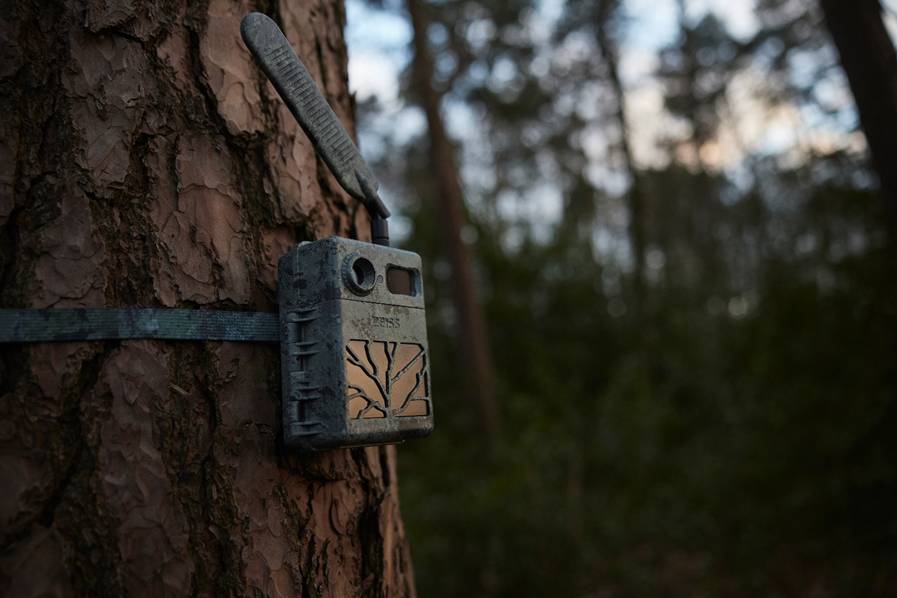
Those who want to set up several trail cameras in their hunting grounds, however, should not simply place them at random. The right positioning is key. Particularly suitable locations for trail cameras are:
- Game trails
- Bait sites
- Salt licks
- Wallows
- Bedding areas und sanctuaries
- Food plots und feeding areas
- Damage areas
- Watering holes
In general, when positioning cameras, it is important to maintain a sufficient distance from the wildlife and to camouflage the device as effectively as possible. Furthermore, the camera’s field of view should be free of branches or grass and should not be directed directly into the light, so that the images are of better quality. Depending on the species, the appropriate height for mounting the camera should also be selected.
ZEISS Trail cameras
Discover now…
Related topics:
The ZEISS Secacam 1 under review
What is the Difference Between a 60° and 100° Field of View in Trail Cameras?
About Post Author