The 2025 bird monitoring season has proven to be a remarkable one, filled with intriguing observations and valuable insights! Thanks to the advanced ZEISS cameras, we’ve been able to gather detailed information about Ospreys and their nesting behaviours.
Early Arrivals and Successful Nesting
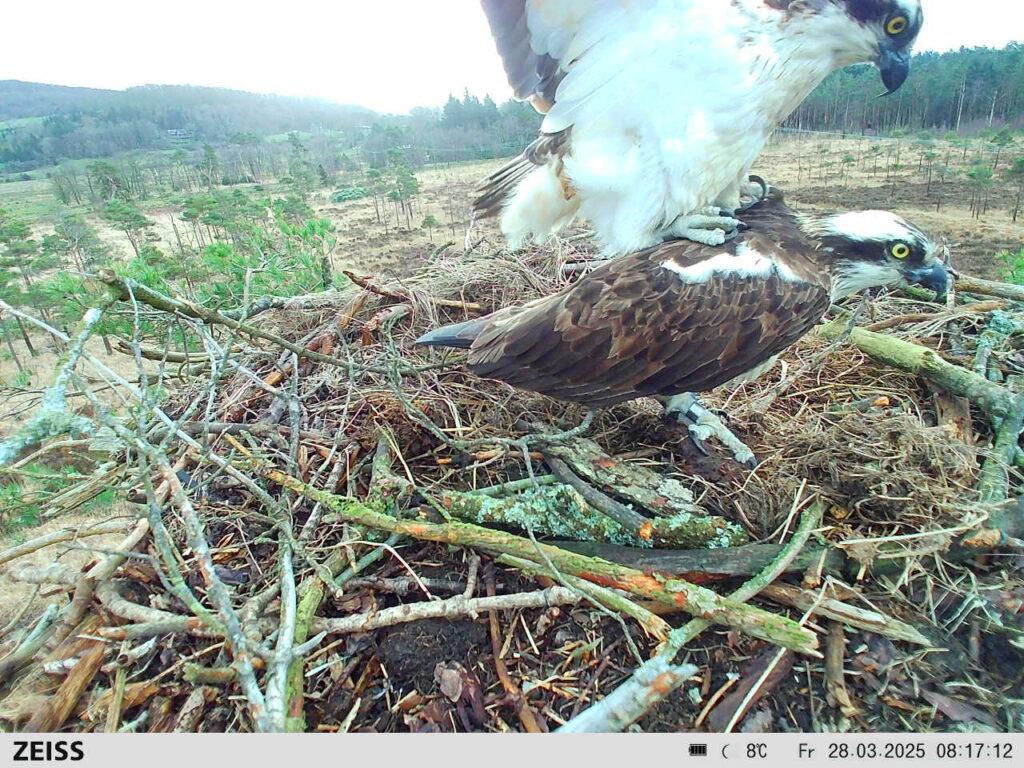
This year, the birds returned to their nests earlier than in previous years, likely due to the favourable dry weather we experienced in early spring. This timely arrival set the stage for a successful establishment and egg-laying phase, allowing many birds to thrive.
Weather Challenges
However, as the season progressed, heavy wet storms rolled in, leading to some unfortunate chick deaths. While we can’t pinpoint all the reasons behind these losses, it’s essential to consider various factors, including predation and environmental factors.
Chick Survival Rates
We’ve noticed some variation in chick numbers across different nests, with counts ranging from 1 to 3 chicks per nest. This inconsistency may be influenced by several factors, such as parental care, food availability, and the overall health of the environment.
The Threat of Predation
One particularly alarming incident involved a female bird fleeing her nest during the late egg stage and not returning. We suspect that predation from local Peregrines or Goshawks, both of which are known to inhabit the area, may have played a role in this unfortunate event.
New Faces in the Nesting Area
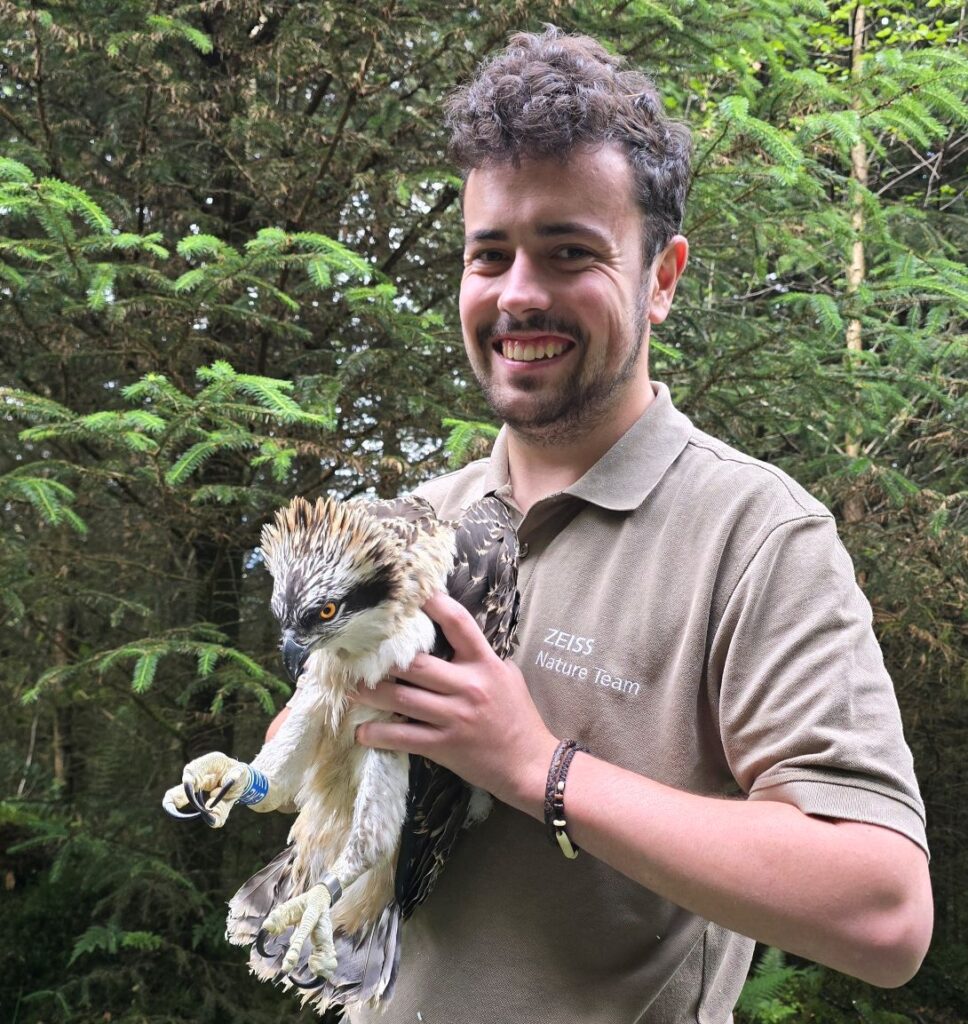
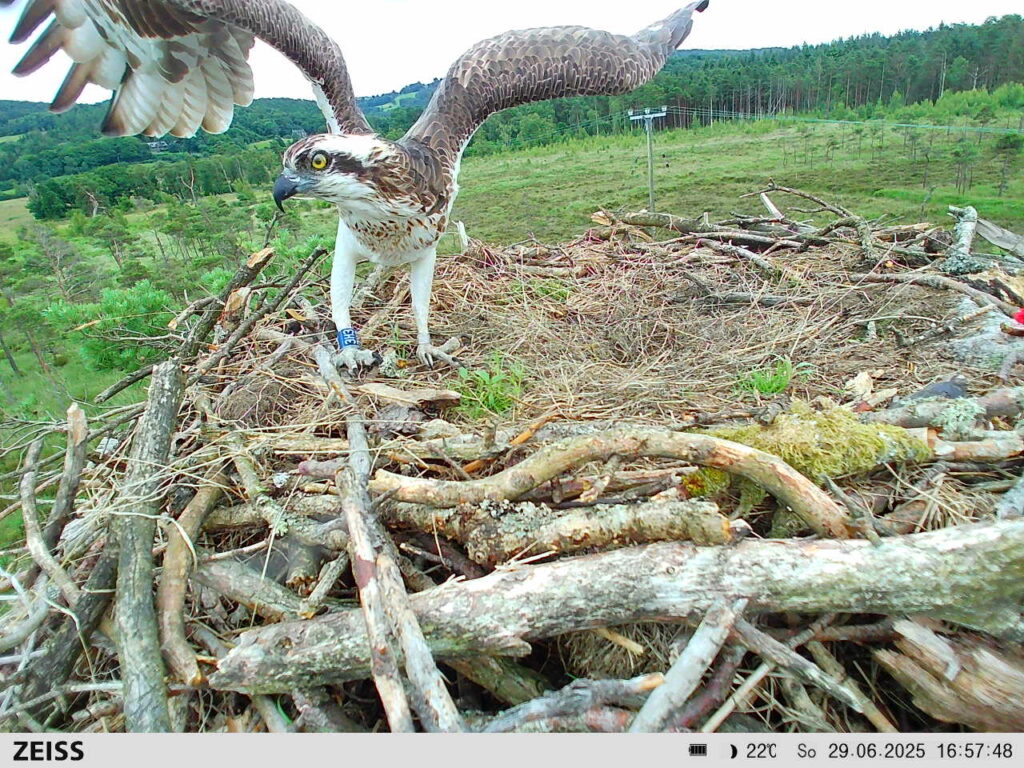
On a brighter note, our ZEISS Secacam cameras have captured the presence of at least two new birds exploring the nesting sites. One young female has even decided to stick around, which could signal promising nesting activity in the future. Additionally, the new nesting platforms we built in 2024 have proven successful, contributing to a gradual increase in bird numbers.
The Power of Technology
The reliability of the ZEISS Secacam cameras has significantly enhanced the work of Mike and the Thornley Wildlife team. This cutting-edge technology allows the team to monitor and analyse Osprey behaviour in unprecedented detail, ultimately supporting our conservation efforts.
In summary, the combination of innovative technology and proactive habitat management is paving the way for a brighter future for our local bird populations. As we continue to monitor these developments, we remain hopeful for the positive impact and cannot wait to see how the 2026 season roles out. The first birds will be leaving their wintering grounds in western Africa and arriving in Europe for the third week of March.
Please note that the ringing and monitoring of these Ospreys is carried out with the correct and appropriate licenses in place.
Read our previous article about the Ospreys: Capturing the Journey: How ZEISS Trail Cameras aid Osprey Conservation
About Post Author