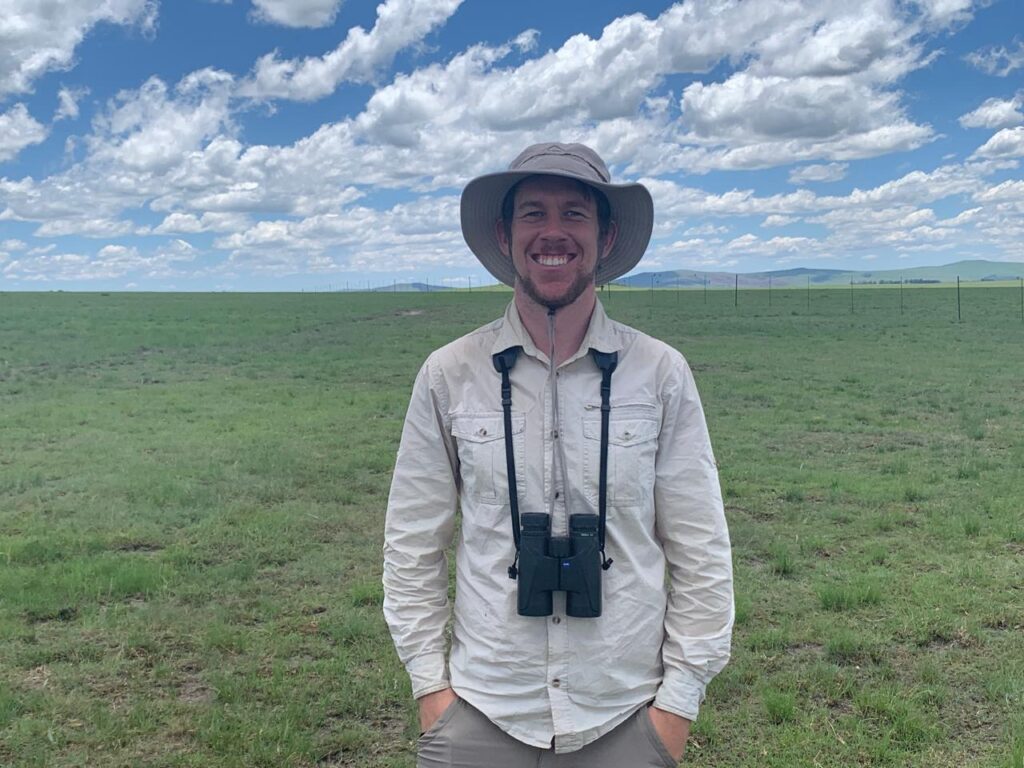
Q: Can you tell us about Botha’s Lark and why it’s so important?
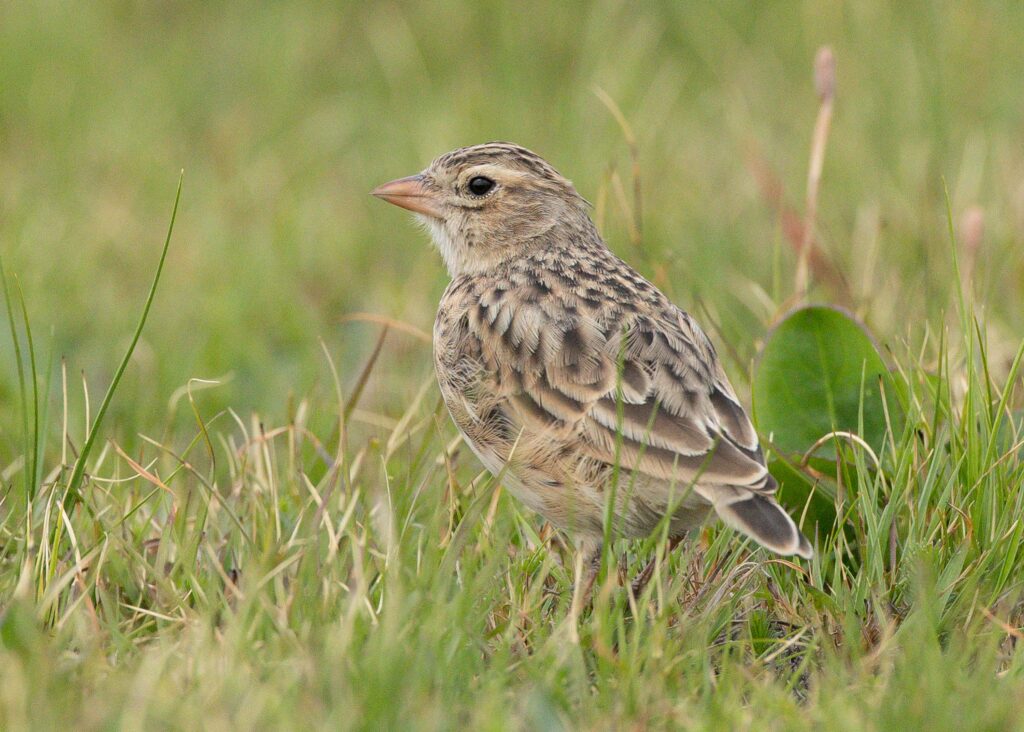
Botha’s Lark (Spizocorys fringillaris) is a small, ground-dwelling bird found only in the high-altitude grasslands of Mpumalanga and the Free State. It’s Critically Endangered, with fewer than 340 mature individuals remaining. But it’s more than just a bird – it’s a flagship species for South Africa’s grasslands, which are among the most threatened and poorly protected ecosystems in the country. Conserving the lark means protecting a landscape that provides water, stores carbon, sustains livestock farming, and supports countless other species.
Q: What makes conserving Botha’s Lark such a challenge?
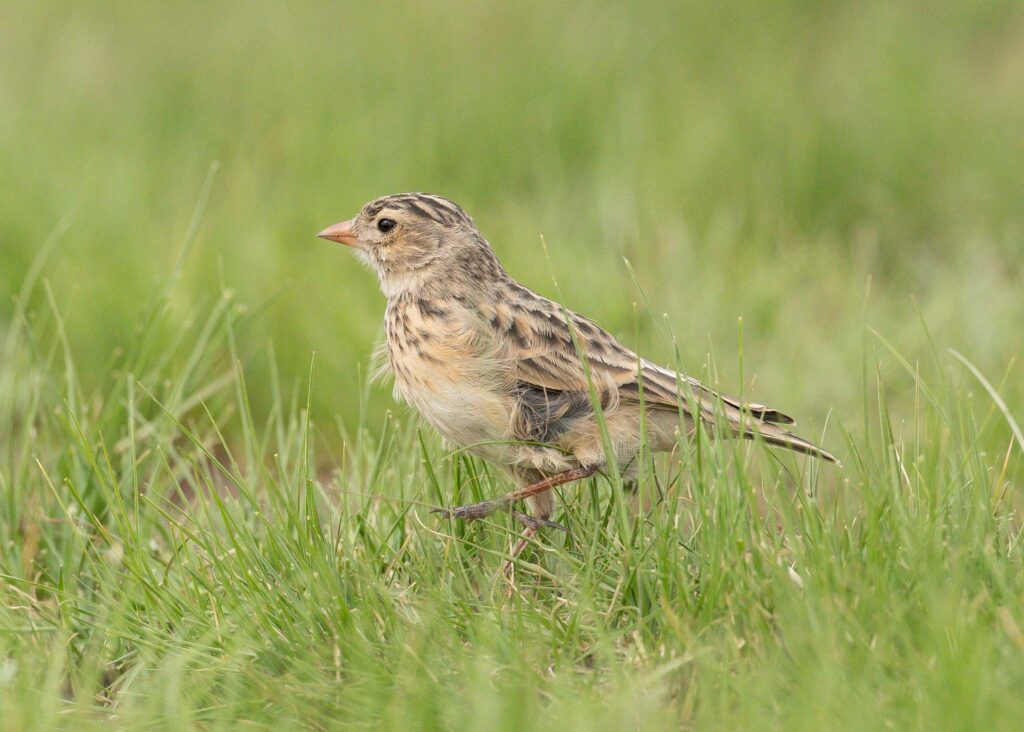
The lark is a small and exceptionally inconspicuous bird. Its plumage blends seamlessly into the grass, making it easy to overlook. Compared to many other bird species, very little research has been conducted on Botha’s Lark, so our understanding of its behaviour, ecology, and population remains limited.
Q: Have there been any recent positive developments?
Absolutely. After 18 months without confirmed sightings, we’ve rediscovered Botha’s Lark at multiple sites. Even more encouraging, several nests have been found, and chicks have successfully fledged! Observing breeding success in a critically endangered species is a promising sign, giving us hope that, with careful conservation, the population can recover.
Q: How is citizen science contributing to conservation efforts?
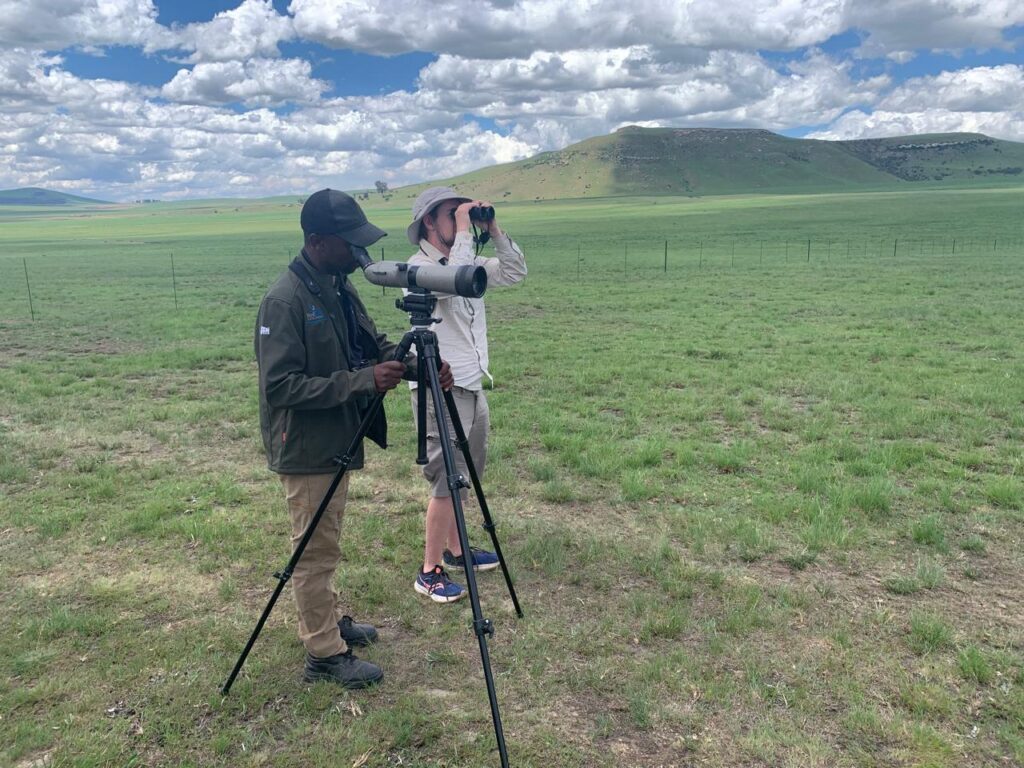
Citizen scientists are a game-changer. Through the Southern African Bird Atlas Project 2 (SABAP2), volunteers submit checklists from high-altitude grasslands. Even “no sightings” are valuable because they help us understand where the species is absent. This data informs habitat protection, restoration, and Environmental Impact Assessments. We’ve also hosted the inaugural Botha’s Lark Atlas Bash this October to encourage birders to explore under-recorded areas, detect new populations, and strengthen conservation partnerships.
Q: Why should people care about Botha’s Lark?
Botha’s Lark is more than a rare bird. It’s a symbol of the health of our grasslands. When this species struggles, it signals that ecosystems that support agriculture, water, and climate resilience are under pressure. It’s the proverbial canary in the coal mine. Saving it protects not just biodiversity, but the natural heritage and livelihoods of South Africans.
Q: How can people get involved?
Anyone can help. Submit SABAP2 checklists when birding in highland grasslands, report Botha’s Lark sightings to matthew.orolowitz@birdlife.org.za, and share the story.
Q: Any final thoughts?
Seeing Botha’s Lark back in the grasslands and witnessing breeding success was incredibly moving. It reminds me that even when a species is critically endangered, collaboration, science, and care can make a real difference. This is our bird. This is our heritage. Together, we can save Botha’s Lark. Protecting this species means protecting ourselves and the natural world we all depend on.
About Post Author